How to make B2B ads for paid social that don’t suck
Most social ads get scrolled past because they’re boring. Create a clear problem story and use these techniques to make your ads, and you won’t be ignored.

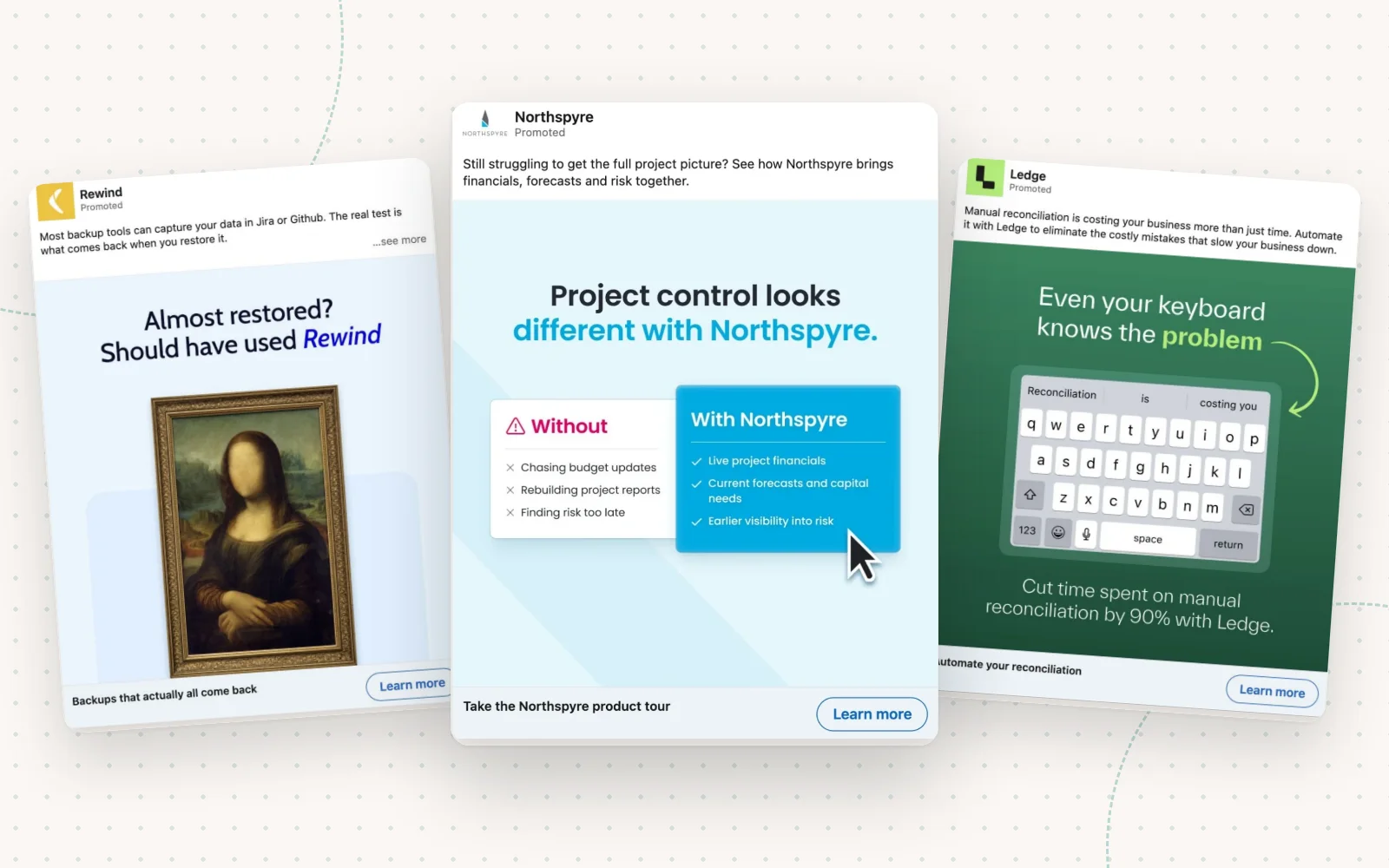
The short answer
Most social ads get scrolled past because they’re boring. This article walks through how to fix that. It starts with creating a good story around a real problem, then goes through picking the ad formats that demand attention, from visuals your buyer already knows to animation and video.
It all starts with a story about a real problem
Before you design a single ad, write your story. And the story starts with one thing: the problem your buyer has. Find that first, because everything else is centred around it.
Once you know the problem, the rest falls into place: how you solve it, why they should solve it, who you’ve helped, and what happens if they don’t solve it.
When someone doesn’t know you already, you need to break the ice
Click-through rate follows how well someone knows you. People who have never heard of your brand click least. People who have heard of you click more. People who have visited your website click most. That’s the familiarity principle.
Most of the people you pay to reach are in the first group, and they scroll straight past anything that looks like an ad. The average LinkedIn ad gets a click-through rate of about 0.4%. Familiar ads, the ones that look like something the buyer already knows, get 1% or more from the same audience and the same budget. That’s how you break the ice.
How to find visuals they’ve seen before
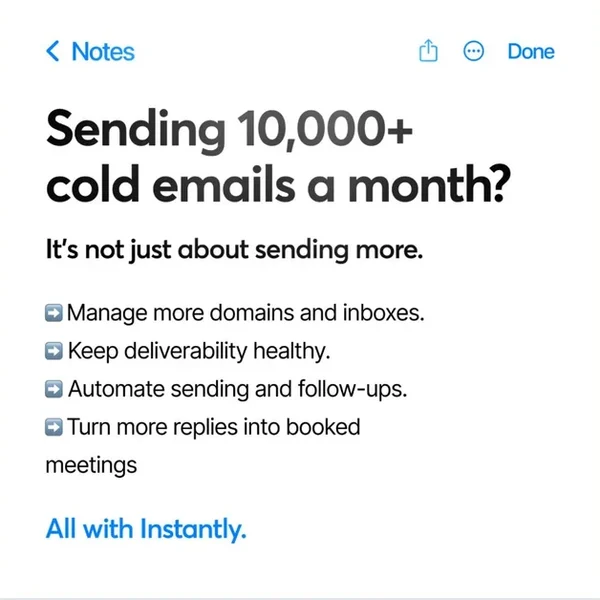
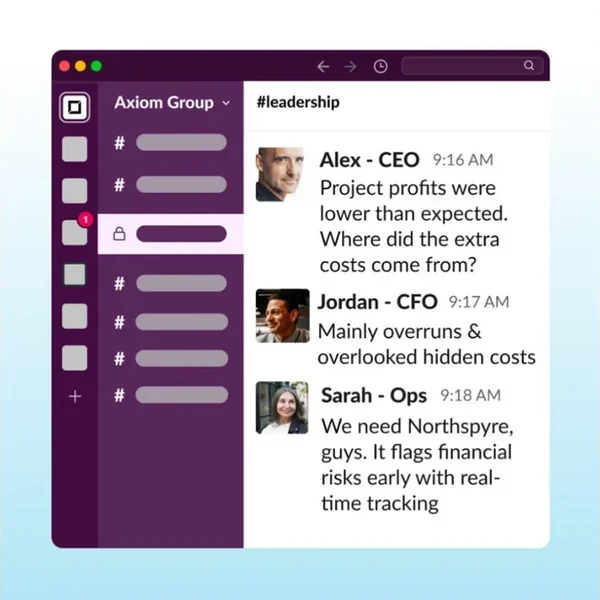
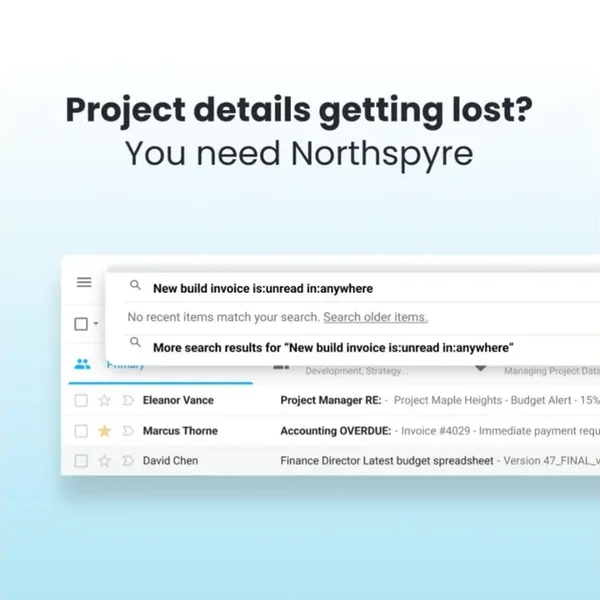
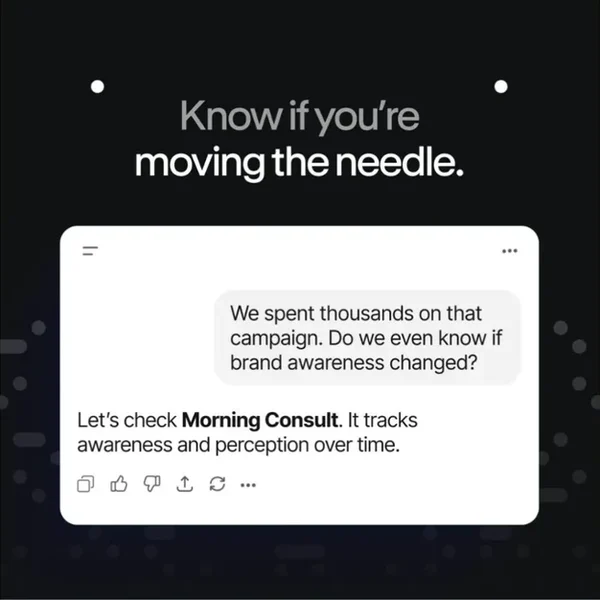
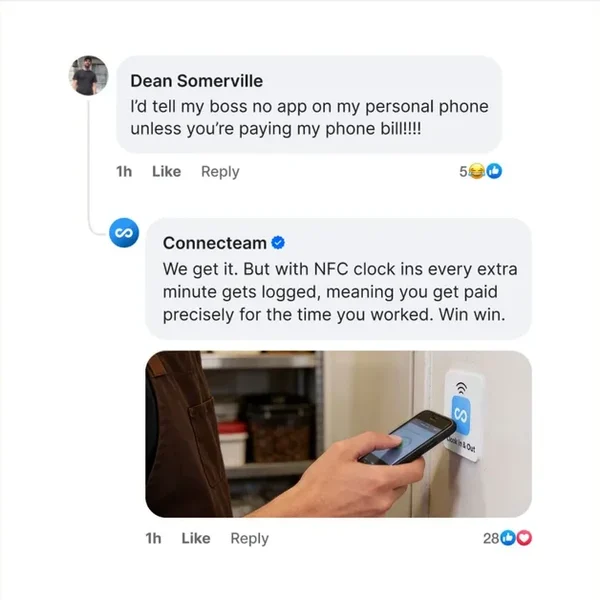
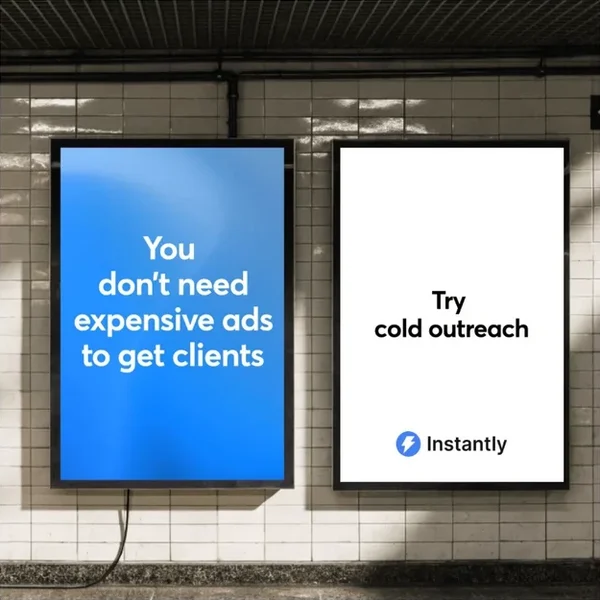
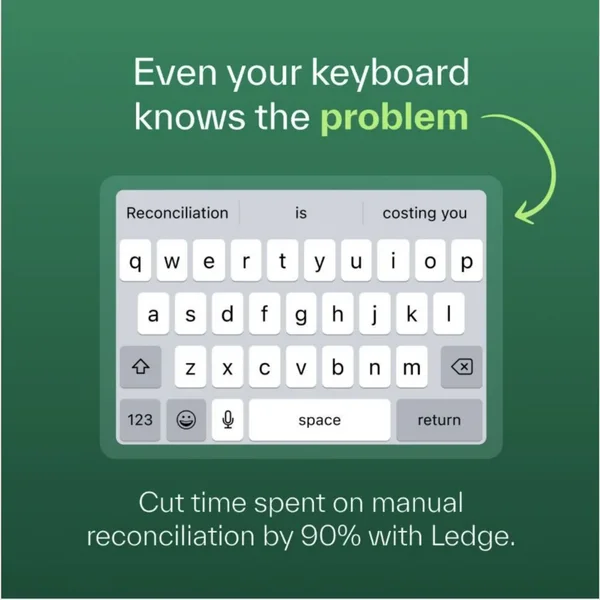
Your audience may not know your brand, but they know the apps they use all day. So think about what your buyer looks at every day, and make the ad look like one of those. A note, a Slack channel, an inbox, a ChatGPT answer, a comment thread, a billboard, a phone keyboard, even a video game. Each one is something they have looked at a thousand times, so the eye lands on it before the brain registers that it’s an ad.
These are all real ads. Click one to open it in our library.
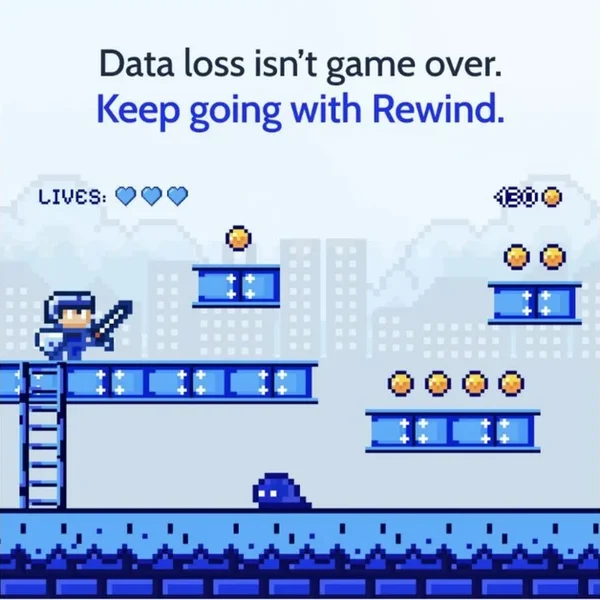
Different visuals hit different emotions
A familiar visual does more than get the ad noticed. The feeling someone already has for it carries over to your ad, so choose the visual for the feeling you want.
A Wordle grid or a video game is playful and positive. A worried text thread or an inbox full of overdue emails is tense and negative. Both get attention, so pick the one that matches the message: a win to celebrate or a problem to escape.
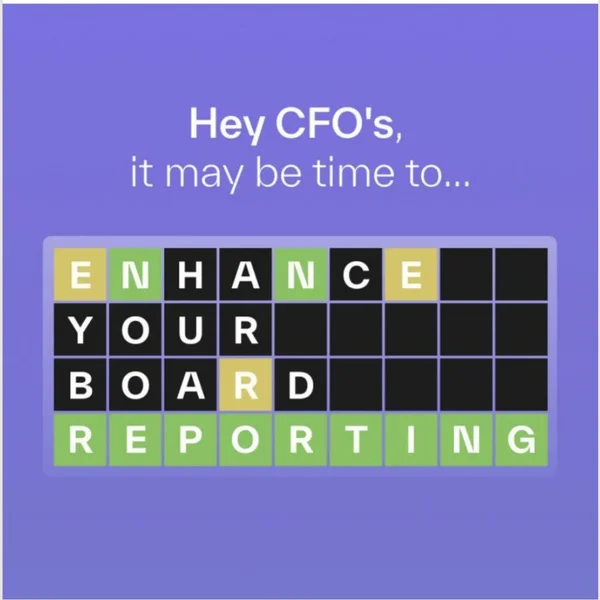
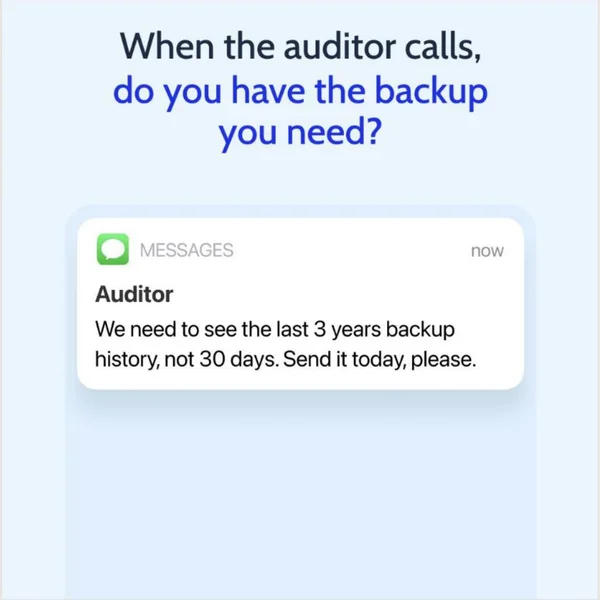
Combine it with psychology
The visual gets the look. The copy has to earn the click. Start with your story: the problem you solve, how you solve it, and why the buyer should solve it. Then combine it with one of the psychology angles below to tap into a much higher click-through rate.
| Angle | Example |
|---|---|
| Law of candour | We’re not great at tech support, but you won’t need it because our product is so simple and effective. |
| Market enemy | Salesforce is an amazing tool, but they can’t do this. That’s why you should come to us. |
| Urgency | If you don’t act now, you’ll miss out on 50% off. This is the first and probably the only time we’ll ever do it. |
| Protect | You really don’t want to get caught justifying gated content leads, when you could have driven demos. |
| Time | Updating Salesforce takes ages. Speed it up by 10x with our tool, and get back to business. |
| Experience | If you sign up to our app, you’ll have so much free time you’ll be able to finally relax. |
| Risk reversal | If you don’t save time with our tool, we want you to have your money back. But we know you will. |
| Fear of missing out | 20% of the S&P 500 use our tool to drive more revenue. Don’t be the only one that isn’t. |
Treat your ad like a front cover, not the book itself
People see the front cover first, so you need a really powerful visual. That’s what stops the scroll.
The blurb is the text at the top of the ad. Use it to talk about a problem, and then how you solve it, in a few sentences.
The headline sits at the bottom of the ad, beside the call to action. Make it very clear what they will get if they click.
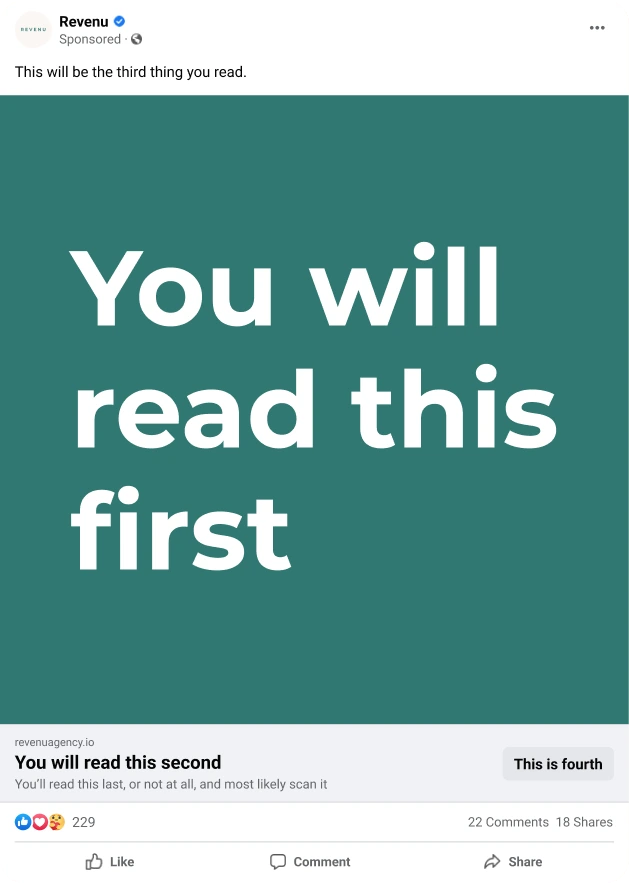
The blurb
Deeper explanation of problem, product and story.
Front cover
Grab attention with powerful copy and creative visuals.
Teaser
What they get if they click. Make the journey very clear.
Make it move
Making an ad move matters. Movement pulls in someone’s attention as they scroll down the feed, far more than a still image does.
You can run GIFs as image ads on LinkedIn. That beats running the same thing as a video. Click the image and it either opens a form or goes to the landing page you’ve chosen, rather than stopping and starting in the feed the way a video does.
These are two animated ads we’ve made. Click one to open it in our library.
Make sure you’ve got adverts that tell your full story
You need adverts for problem awareness, product awareness and conversions.
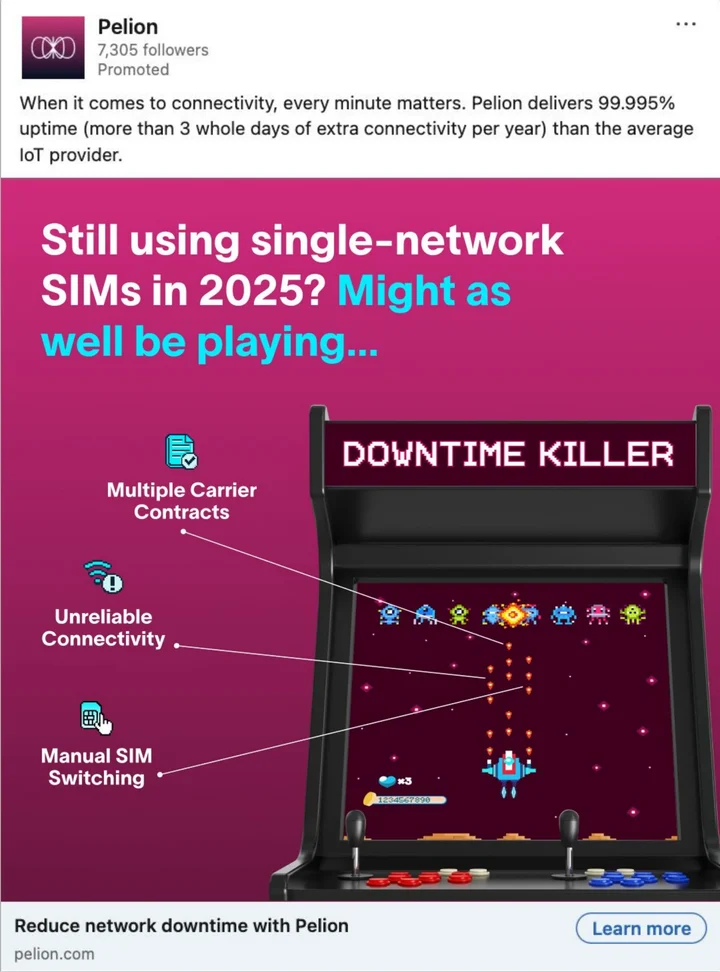
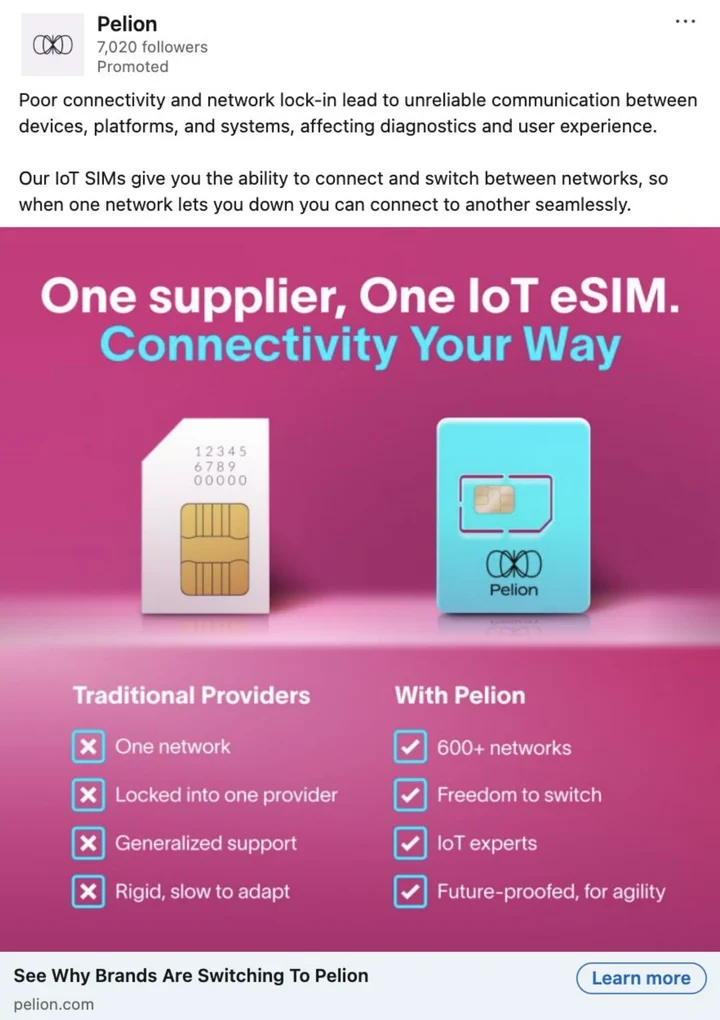
Problem adverts talk about the problem your customers feel. Product adverts explain very clearly what it is you do. Hit people with enough of both and they’ll understand very clearly why you exist.
Make sure your copy is super clear
Sometimes the best way to sell a horse is to say “horse for sale”.
Once you know exactly why you exist, you can start saying it in different ways. But you must be very clear on what you’re trying to say first. Understand clearly why you exist, and you’ll be able to communicate it clearly with all of these methods.
If you nail the basics, performance follows
Above all, make sure you nail the basics. Clear copy, plus a powerful visual, multiplied by a problem story. Get those three right and performance follows. Get them wrong and no technique will save the ad.

Video is harder to make but worth the effort
The next step is video. You need high-production video for social. But you also need user-generated content, which looks a bit more amateur. A mixture of both hits people in two different ways.
Here’s one of each from our library. Press play to watch.
In this article
- The short answer
- It all starts with a story about a real problem
- When someone doesn’t know you already, you need to break the ice
- How to find visuals they’ve seen before
- Different visuals hit different emotions
- Combine it with psychology
- Treat your ad like a front cover, not the book itself
- Make it move
- Make sure you’ve got adverts that tell your full story
- Make sure your copy is super clear
- If you nail the basics, performance follows
- Video is harder to make but worth the effort
- Drive More Meetings
- Increase Pipeline
- Strategies That Work
We run LinkedIn and Google Ads for B2B brands, and we’re good at it.
More articles
Back to blog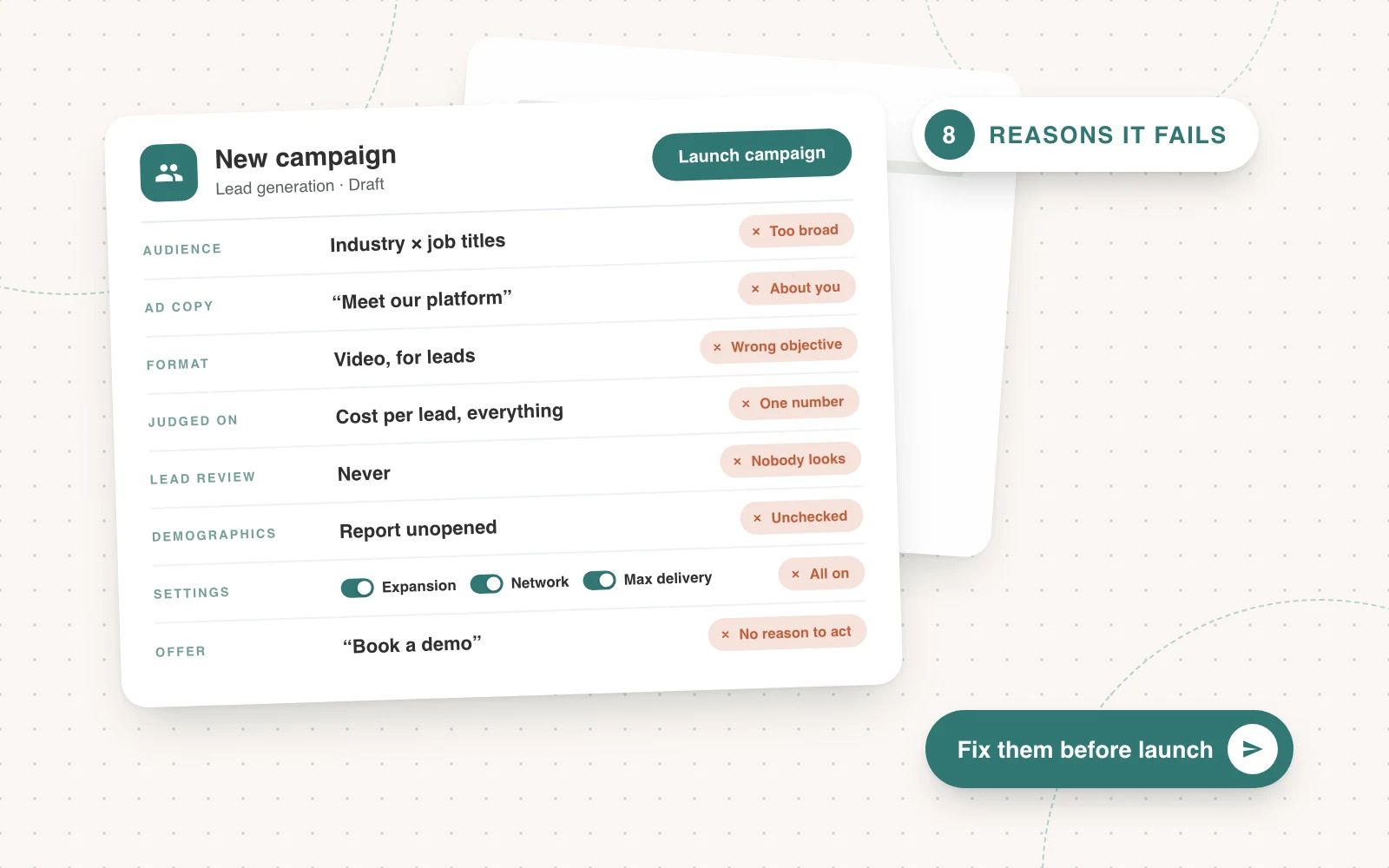
LinkedIn Ads
8 reasons why most LinkedIn campaigns fail before they even start
Most LinkedIn campaigns fail before they even start: the audience is too broad, the ad is about you, and every campaign is judged on one number.
Joseph Hill6 min read
Landing Pages
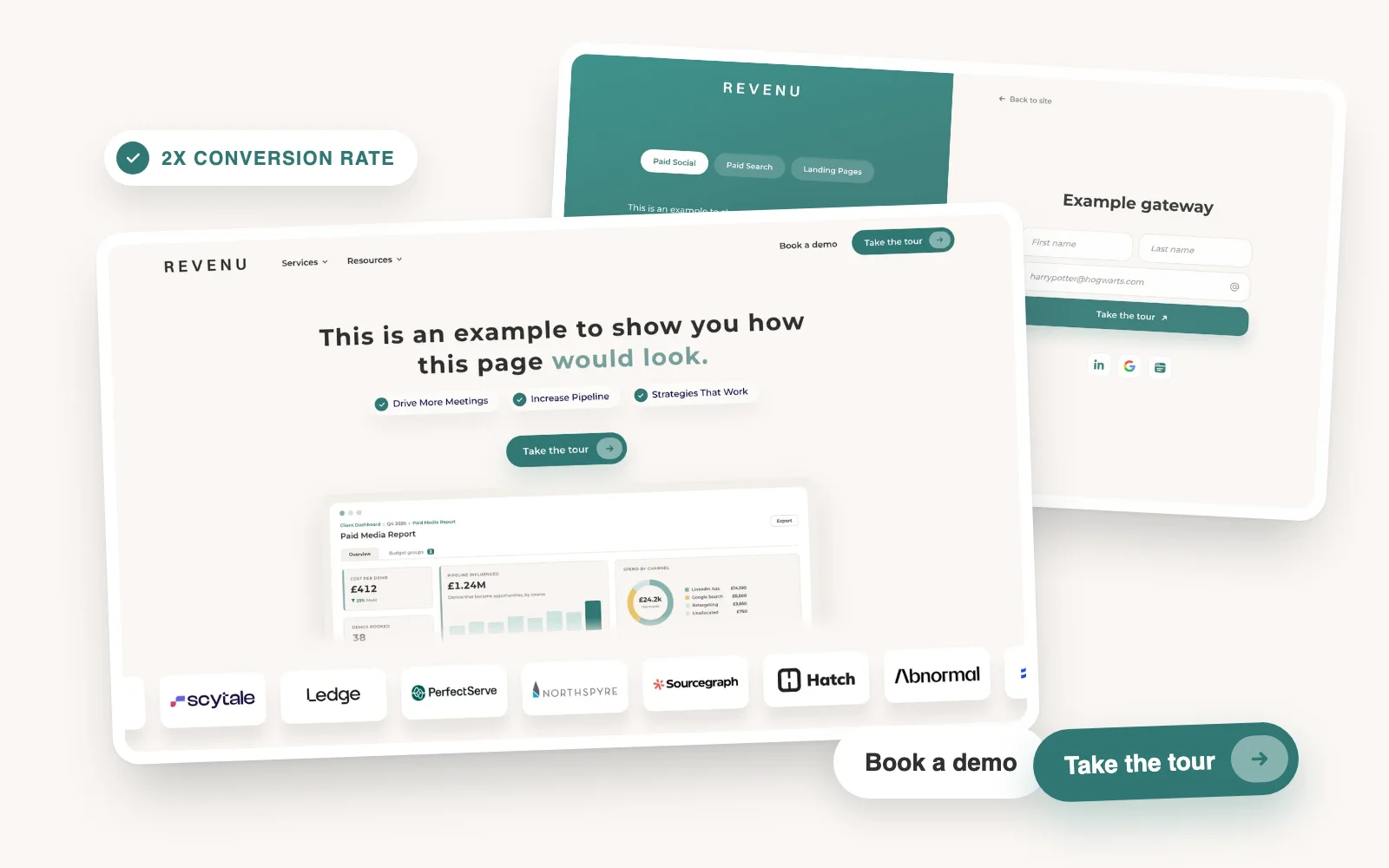
How to 2x your CVR on Google with a tour
Most Google landing pages only have a Book a demo button. Add a product tour as a second way to convert and the page can double its conversion rate.
Joseph Hill5 min read
Google Ads
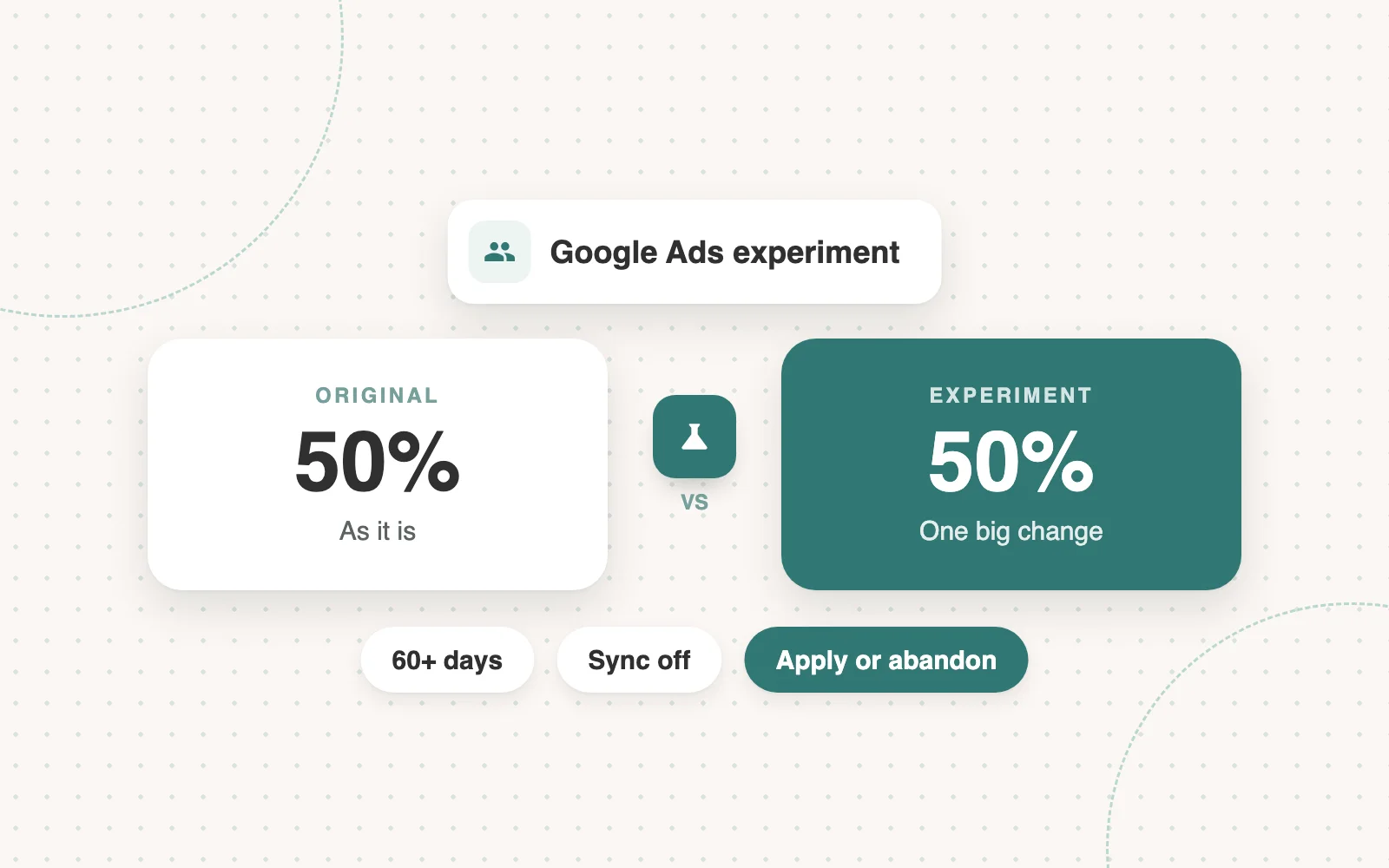
How to run experiments in Google Ads
Google Ads experiments are for big changes: a different landing page or a different way of optimising. Most of ours test two landing pages. Here’s when to run one and how.
 Jimmy Millard4 min read