Creating experiences that drive up conversion rate
Slapping a form on a landing page isn’t optimising for conversion. Build an experience people want to go through, starting on the phone.

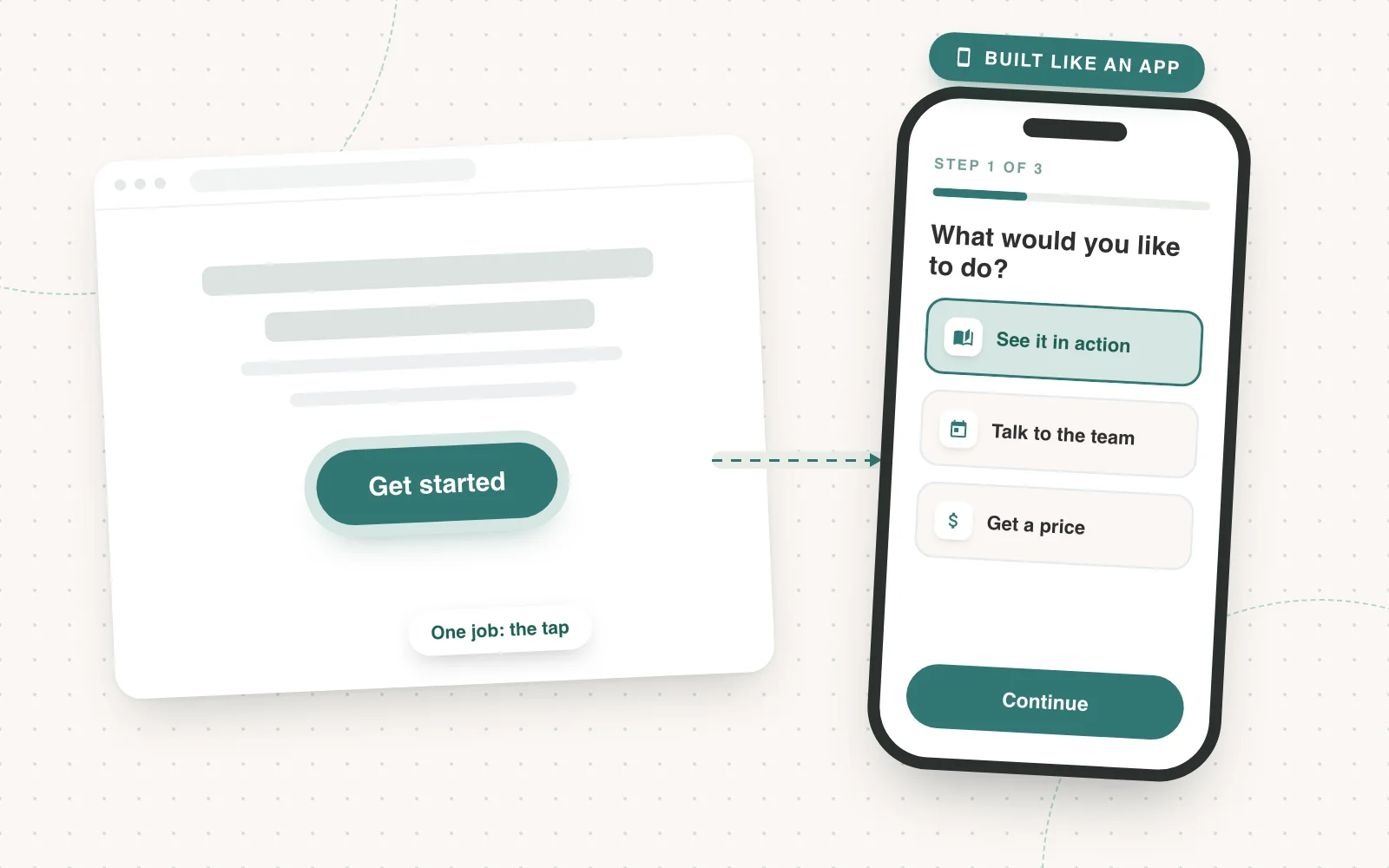
The short answer
You need to think about building an experience, not just a landing page. Slapping a form on a page and calling it optimised for conversion is not how it works. If you want to capture leads at a high rate, you need to create digital experiences that people want to go through.
Understand the playing field: it’s mobile
On Google, about half your spend goes to mobile by default. That’s where a lot of the high-intent leads are, because phones are what most people search on now.
If your mobile experience isn’t optimised, you’re sending that money down the drain. And if you block mobile, you miss everyone searching for what you sell on their phone.
So ask what people expect on a phone, and what the ideal experience looks like there. On a phone, people are used to apps. So build things that look and feel like apps.
Pick the experience you’re going to create
The experience comes down to one decision: what are you going to ask them to do? For the most part, it’s one of these eight things, and that’s the full realm of what you can ask someone to do.
Optimise your landing page to feed the experience
Your landing page just needs a button, and it needs to be really easy to tap on a phone. Don’t worry about embedding the experience into the page. Build the experience outside it and send people into it.
The landing page becomes the starting click, and that click is the goal. It mimics how people sign up for product-led products, which is the experience people prefer. So create a product-led style experience even if you aren’t a product-led company.
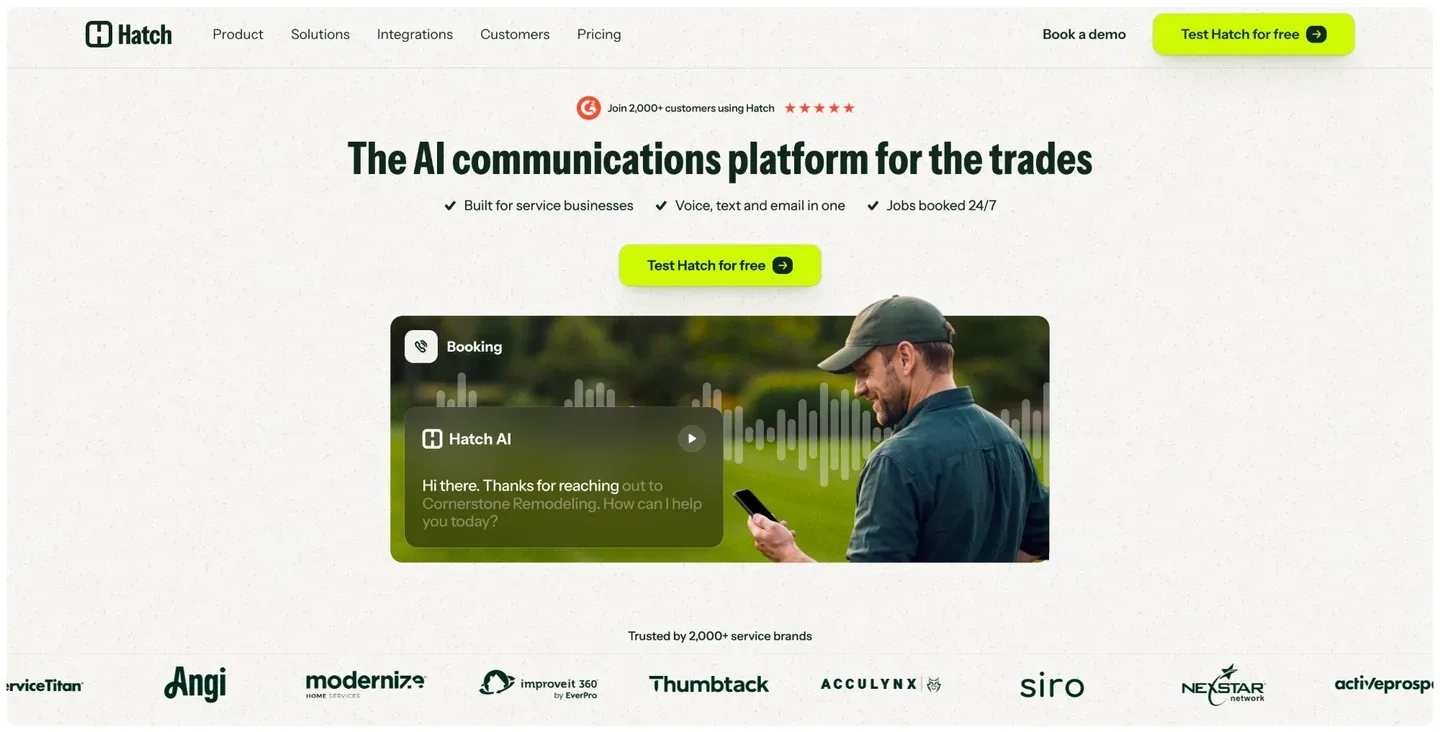
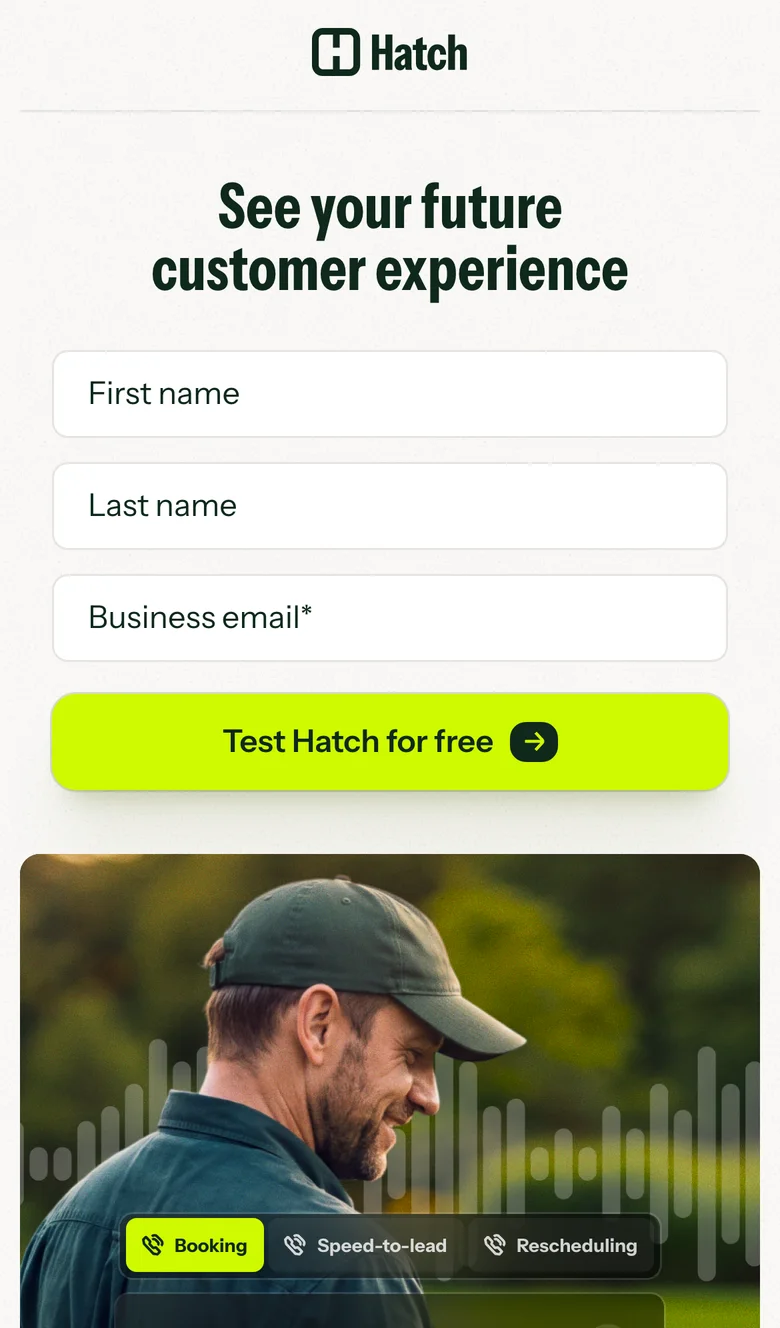
That turns conversion rate optimisation into one job: getting the click on the button that leads into the experience. Here’s Hatch’s above the fold from our library. One headline, three quick points and one button: Test Hatch for free.
Create an experience that all your traffic goes to
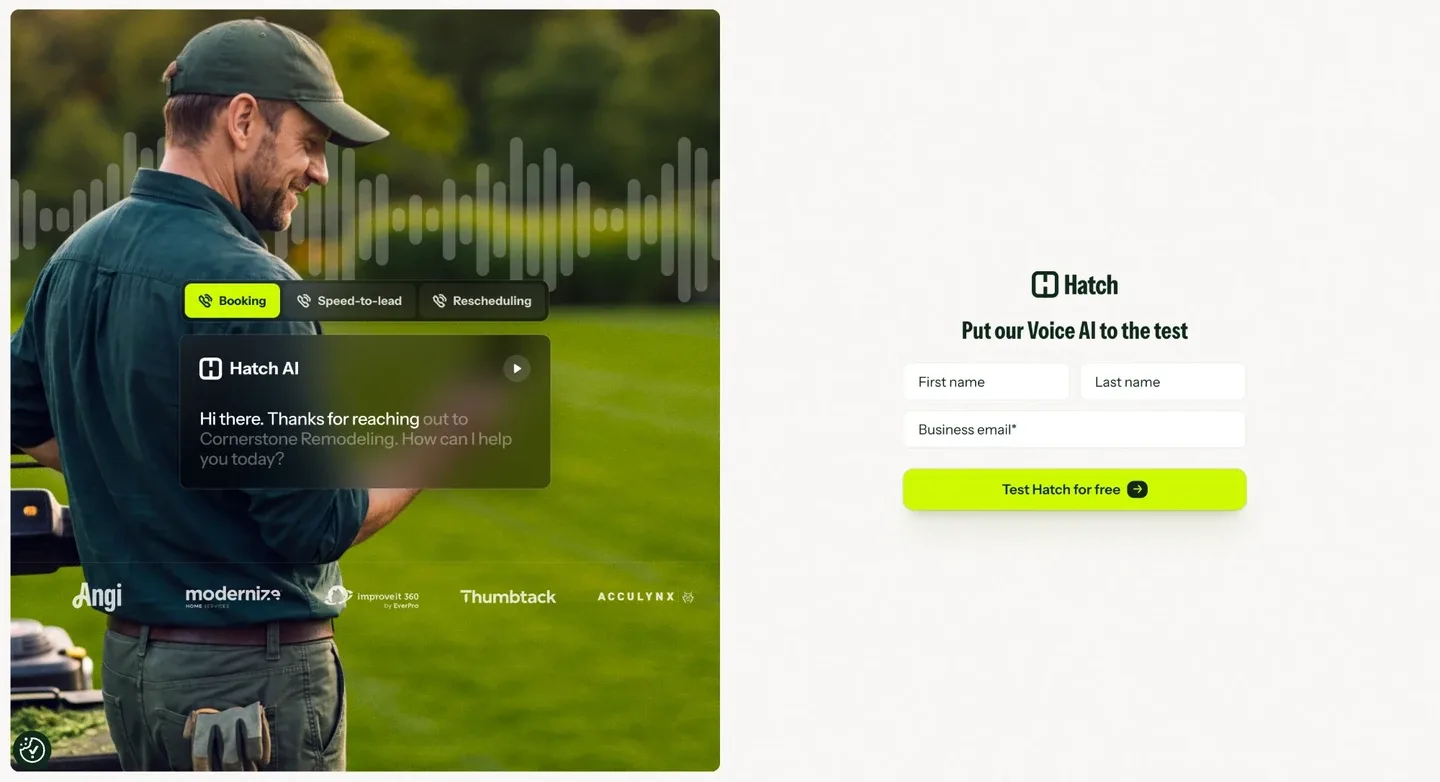
Every click from the landing page should land in one place: the experience. That’s where the conversion actually happens, so that’s where the work goes.
Here’s Hatch’s. It asks people to put its Voice AI to the test: three fields beside the product, and a button to test it for free.
Remember: we’re building for mobile first
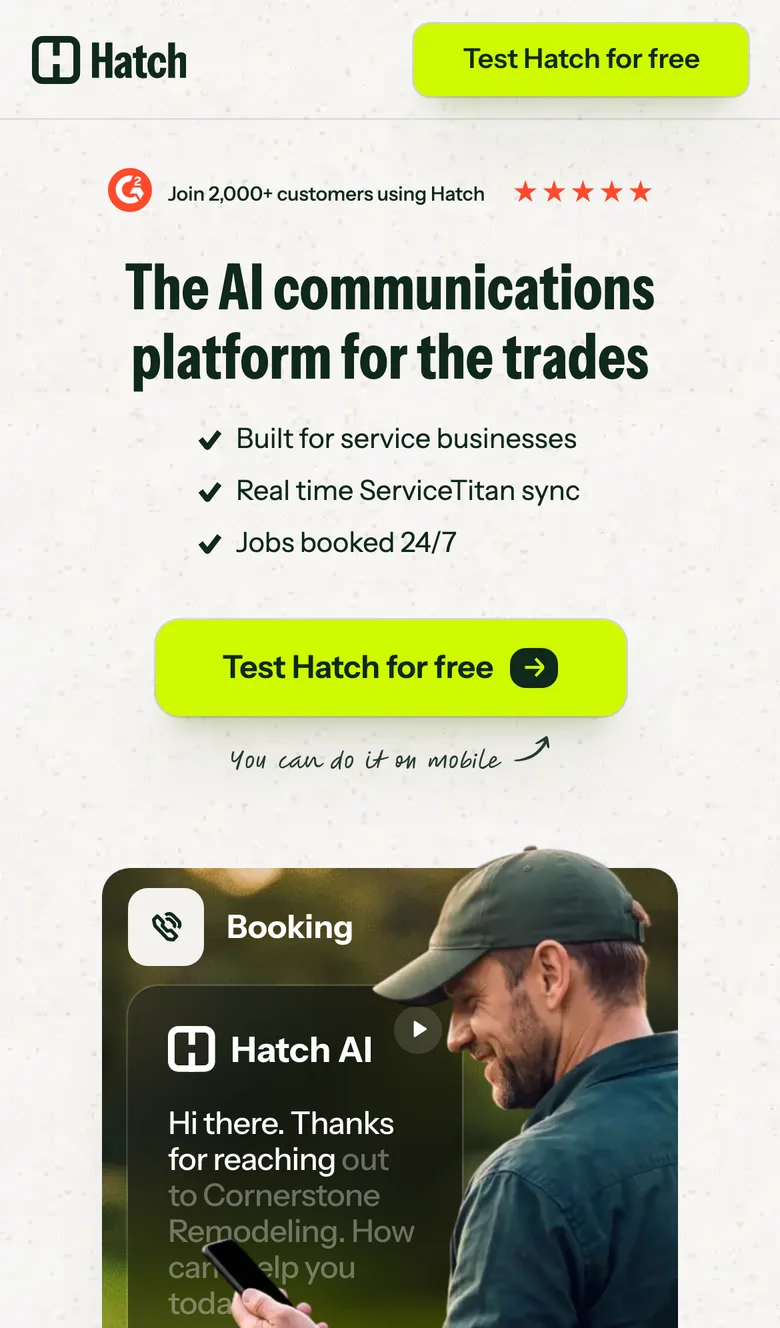
Here’s the same Hatch journey on a phone. The landing page keeps one big button, Test Hatch for free, right under the headline, with a note that you can do it on mobile.
Tap it and the experience opens: three fields and the same button, sized for a thumb.
- 1 · The landing page
- 2 · The experience
Get creative about how you interact with your traffic
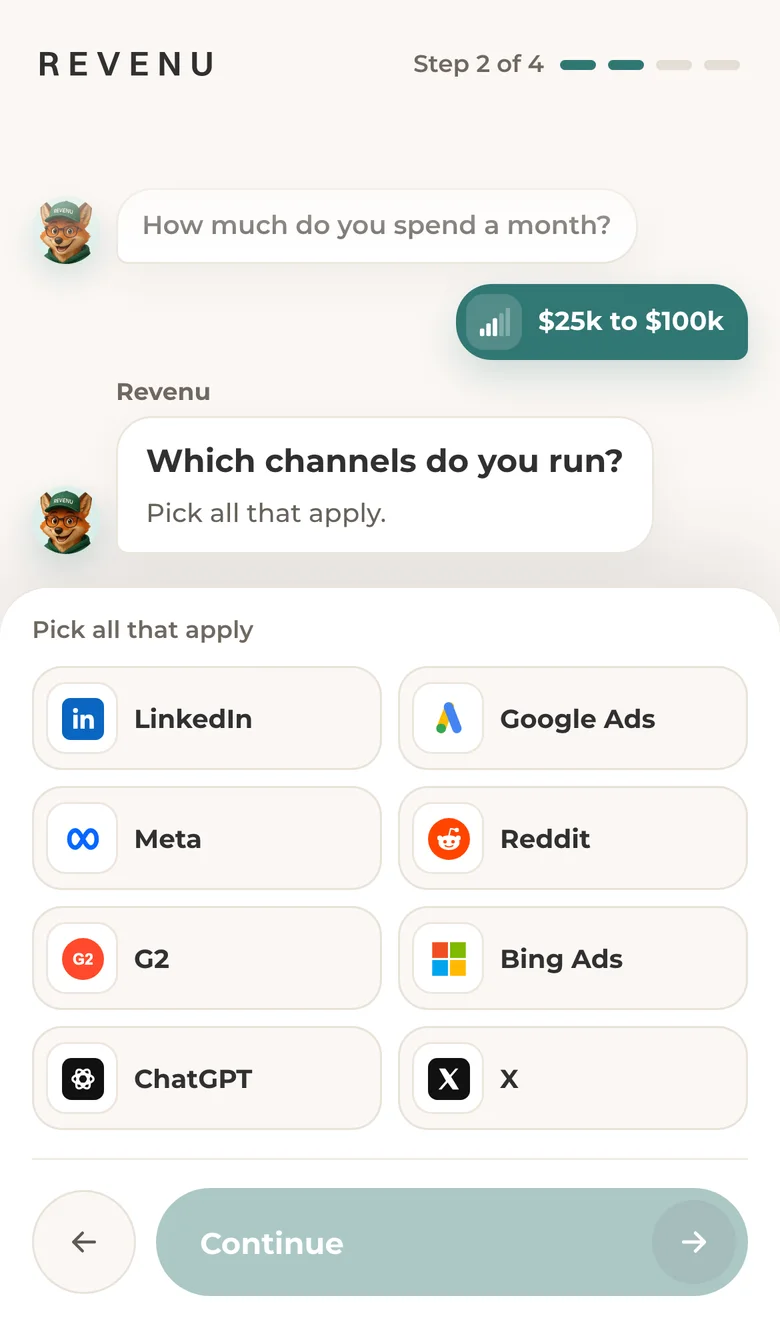
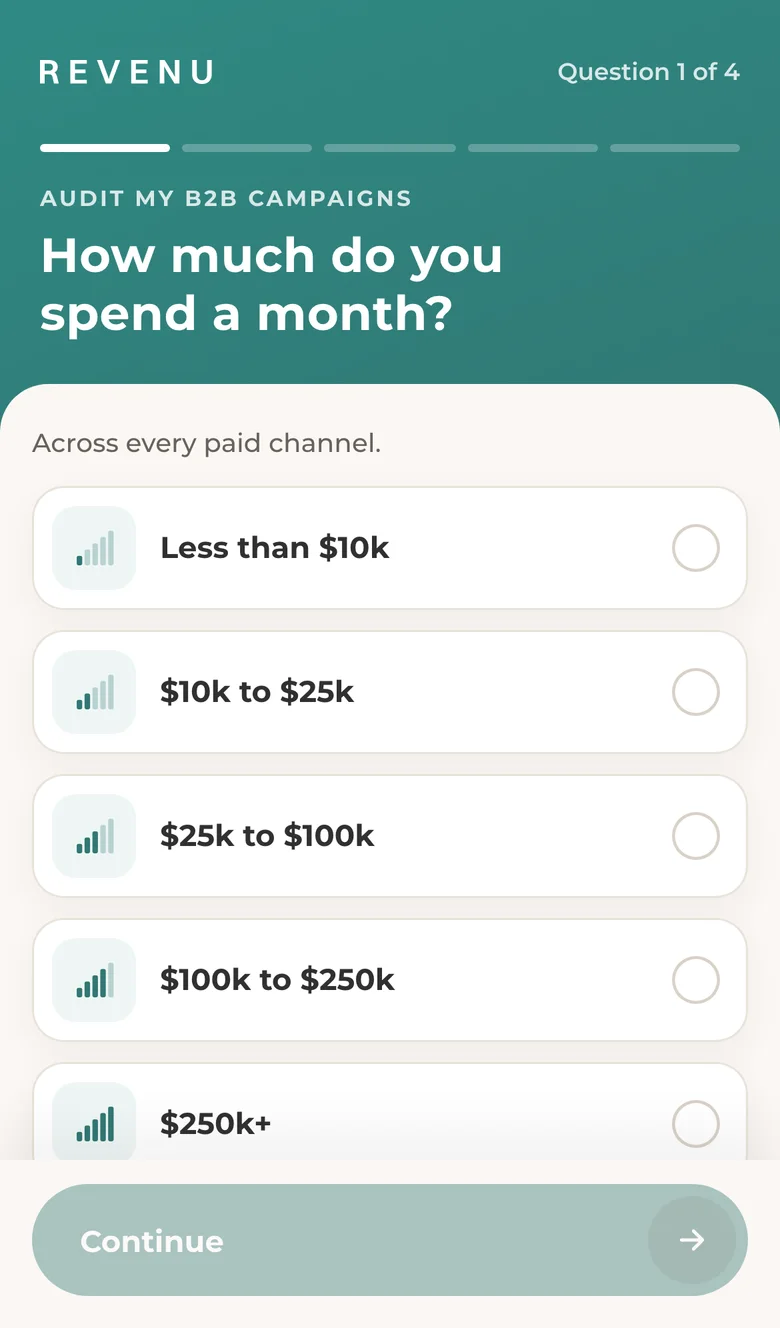
The experience doesn’t have to be a form. You can use a custom chat, where people answer a few questions as if they’re messaging someone. Or an app-like experience, where they tap through a pick list one screen at a time.
These are two we’re building now: a chat on our Get started page, and an app-style form on our audit page. Both open with the same question, in two different experiences.
- Custom chat
 Try the chat
- App-style form
 Try the form
Even if you don’t have classic software, you can still do a tour
A lot of tech companies are APIs or complex networks, not traditional software. They are harder to create a tour for, but if I can create one for a marketing agency, you can create a tour for your product. Check ours out here.
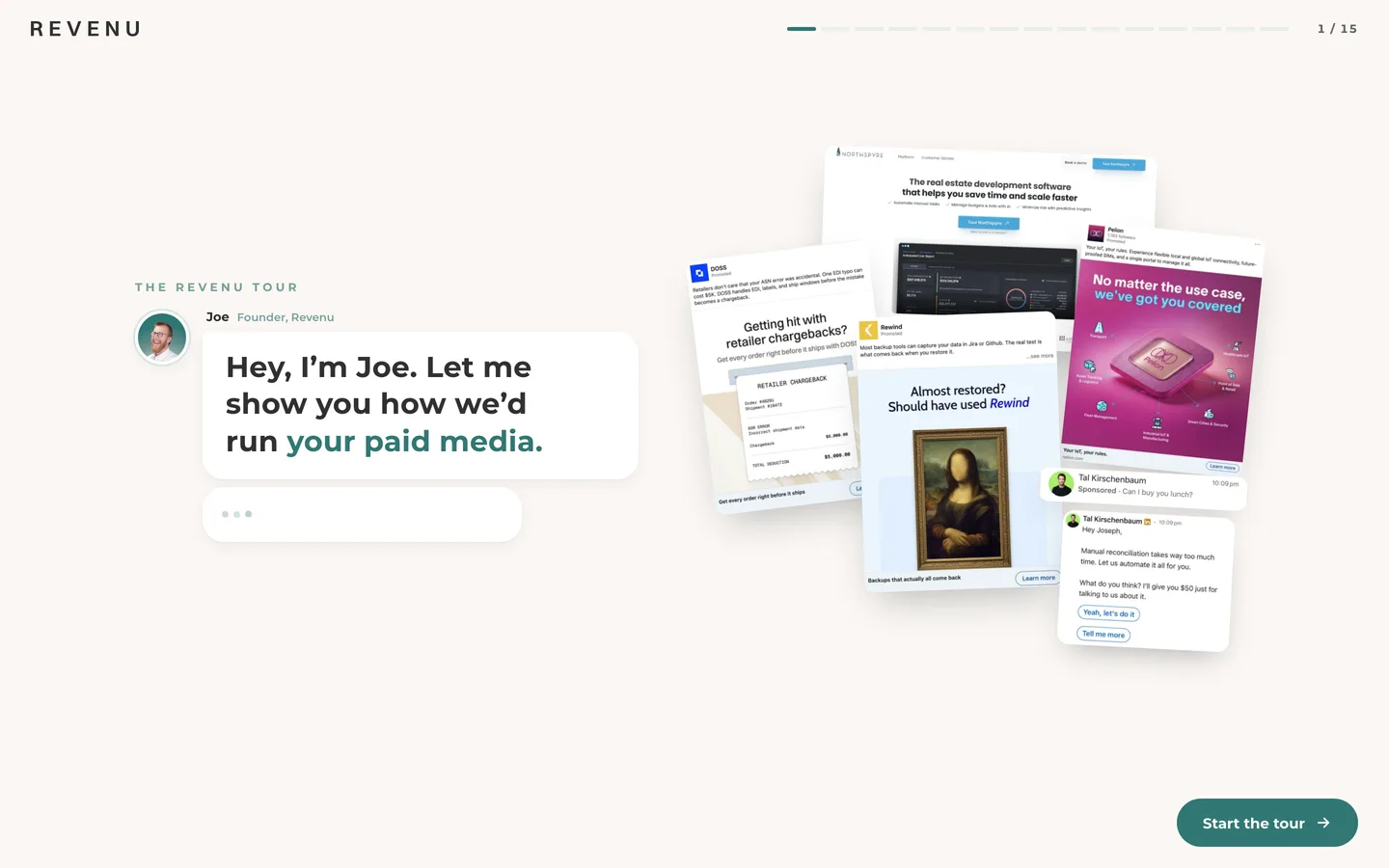
A tour is just a tour of what their experience would be like. It can include scenarios and use cases. You can ask them questions, and it can be interactive. It’s meant to give them more of a flavour of what it’s like working with you, and it’s a nice soft CTA for anyone not ready to book a demo just yet. They might after the tour, though.
Don’t get stuck in what used to work
Multi-step forms used to work really well. We used to take a big, ugly form and turn it into a one-field email form, or a multi-step form that asks one question first and the rest after. That was a much nicer form to interact with.
Multi-step forms came in three kinds: a drop-down, one field, or tick boxes.
But times have changed. This doesn’t work anymore, and you need to take it a step further. Just doing a fancy form isn’t enough. People expect seamless, app-like experiences, because that’s what every app on their phone gives them.
Failure to evolve, and to use AI to build these experiences at scale, is going to cost you pipeline.
In this article
- The short answer
- Understand the playing field: it’s mobile
- Pick the experience you’re going to create
- Optimise your landing page to feed the experience
- Create an experience that all your traffic goes to
- Remember: we’re building for mobile first
- Get creative about how you interact with your traffic
- Even if you don’t have classic software, you can still do a tour
- Don’t get stuck in what used to work
- Drive More Meetings
- Increase Pipeline
- Strategies That Work
We run LinkedIn and Google Ads for B2B brands, and we’re good at it.

More articles
Back to blog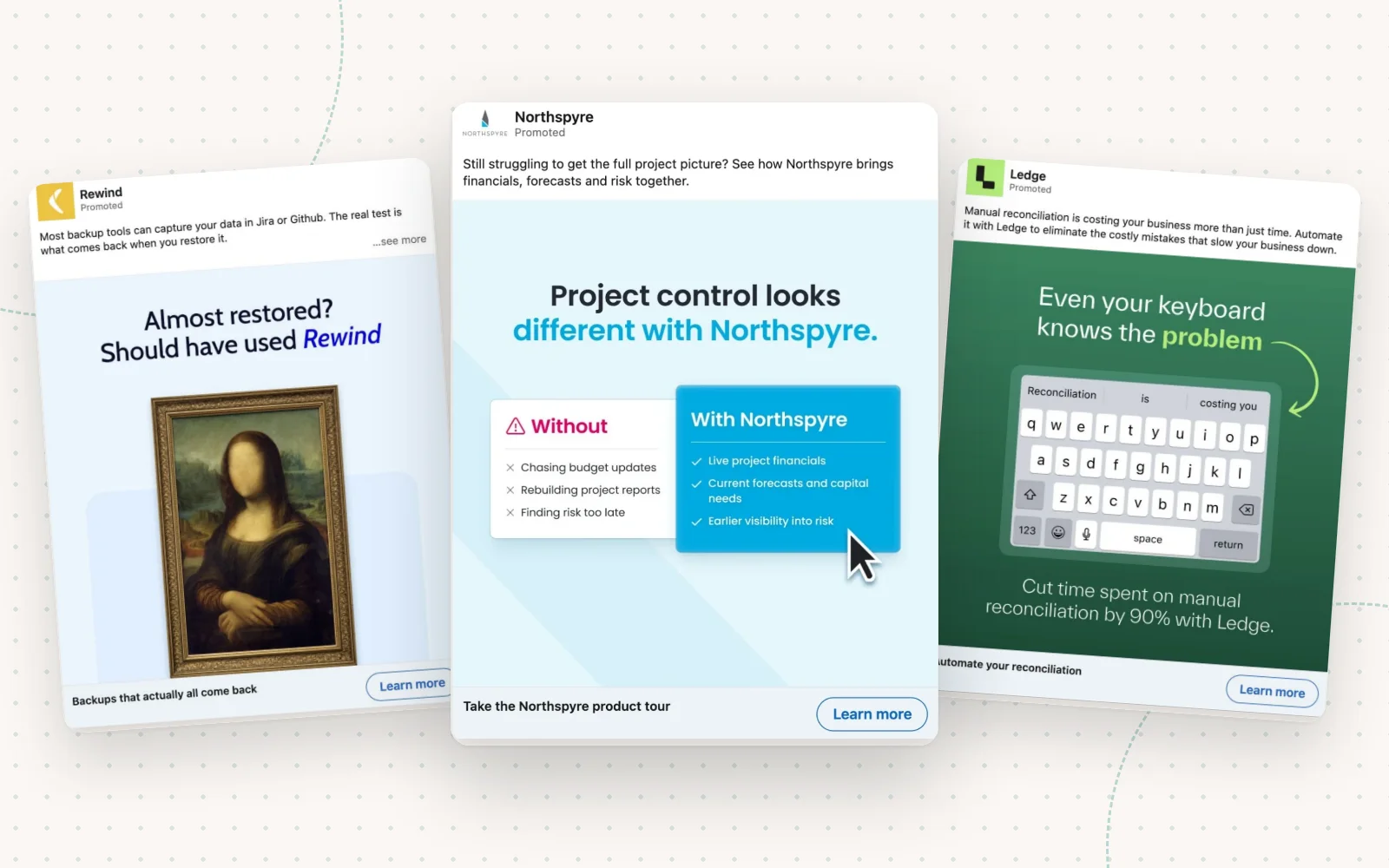
LinkedIn Ads
How to make B2B ads for paid social that don’t suck
Most social ads get scrolled past because they’re boring. Create a clear problem story and use these techniques to make your ads, and you won’t be ignored.
Joseph Hill5 min read
LinkedIn Ads
8 reasons why most LinkedIn campaigns fail before they even start
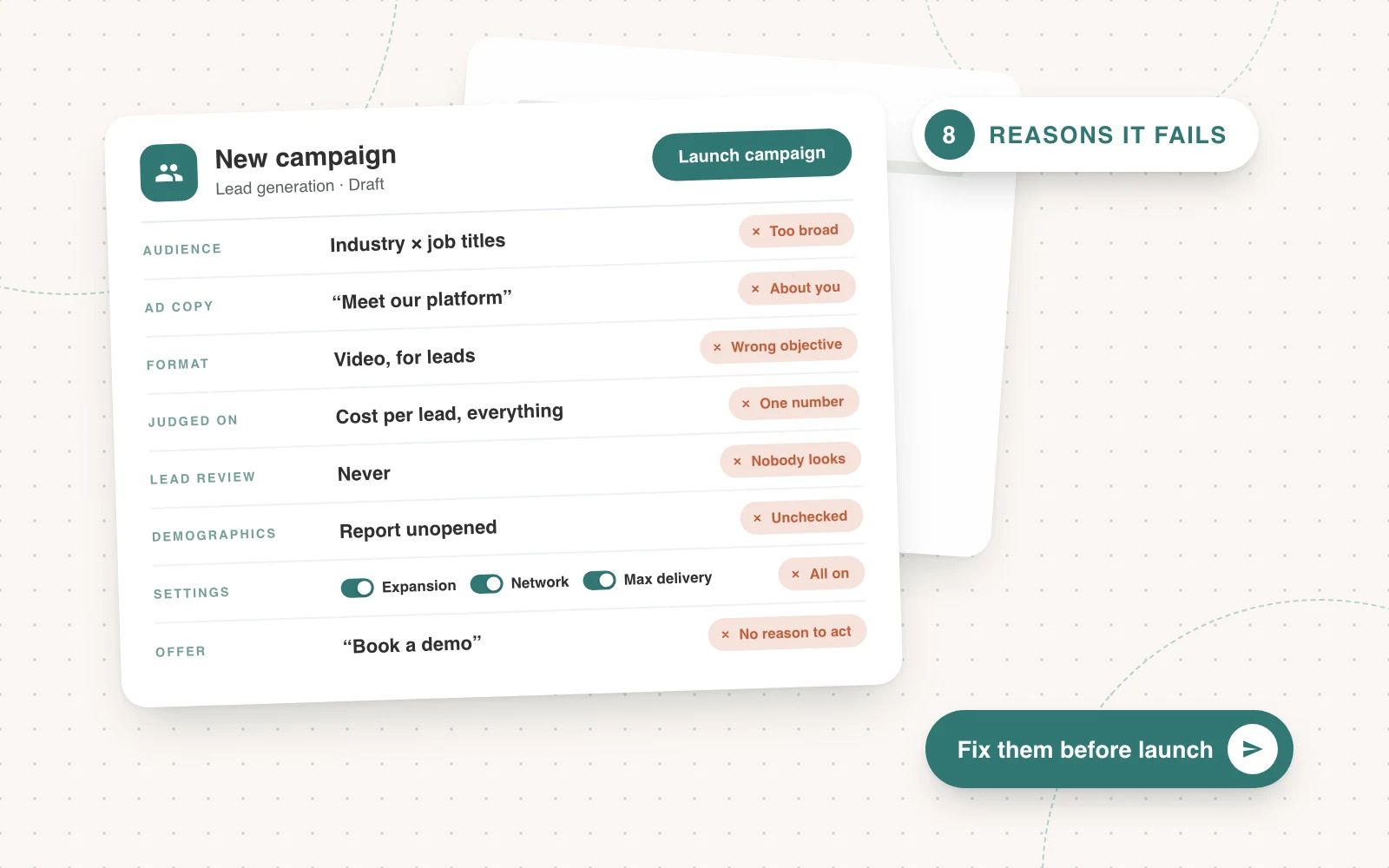
Most LinkedIn campaigns fail before they even start: the audience is too broad, the ad is about you, and every campaign is judged on one number.
Joseph Hill5 min read
Landing Pages
What makes a B2B landing page convert
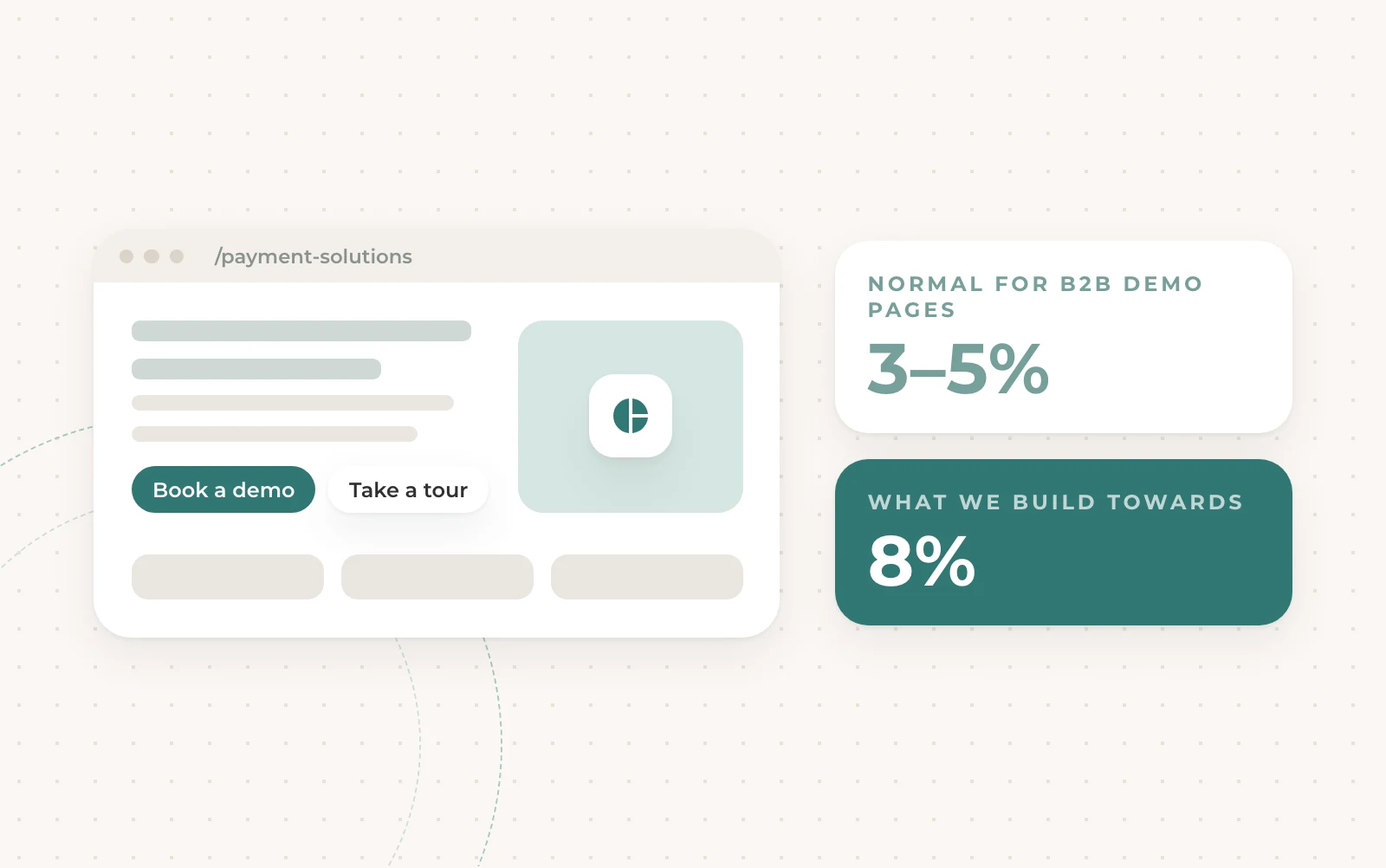
A B2B landing page converts when it matches the click intent, and asks the user to do something they actually want to do.
Joseph Hill4 min read